Délais de production de la lingerie : combien de temps prend réellement la production en Chine ?
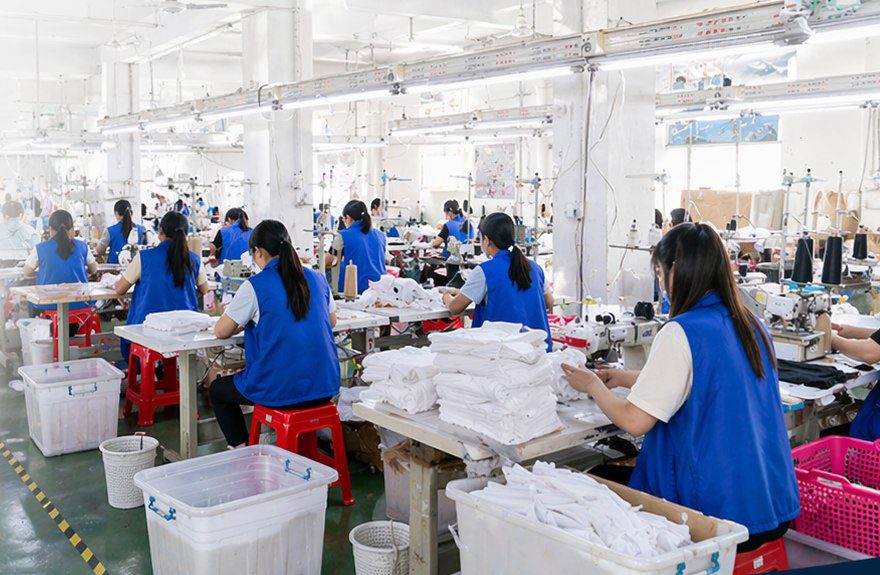
Le délai de livraison est l'un des aspects les plus mal compris de l'approvisionnement en provenance de Chine. Les acheteurs arrivent souvent aux négociations avec une date de livraison précise en tête, pour finalement constater que le délai réel est deux à trois fois plus long que prévu. Ce guide détaille la répartition du temps, de la passation de la commande à l'expédition des marchandises depuis l'usine, et vous explique comment le réduire sans compromettre la qualité.
Les quatre étapes du délai de production de la lingerie
Le délai de production n'est pas une donnée unique. Il correspond à la somme de quatre étapes séquentielles, chacune avec son propre calendrier et ses interdépendances. Pour réduire le délai total, il est essentiel de comprendre quelles étapes peuvent se chevaucher et lesquelles ne le peuvent pas.
| Scène | Durée typique | Ce qui se produit |
|---|---|---|
| 1. Confirmation de préproduction | 3 à 7 jours | Confirmation de commande, versement d'un acompte, validation finale du cahier des charges, approvisionnement en tissus et accessoires |
| 2. Approvisionnement en matériaux | 7 à 21 jours | L'usine commande des tissus, de la dentelle, des armatures, de l'élastique, des fermoirs et des matériaux d'emballage auprès de ses fournisseurs. |
| 3. Production en vrac | 15 à 30 jours | Découpe, couture, contrôle qualité, emballage |
| 4. Inspection avant expédition et exportation | 3 à 7 jours | Contrôle qualité final, emballage, documentation douanière, réservation du fret |
Total: 28 à 65 jours De la confirmation de commande à la préparation des marchandises pour l'expédition, le délai habituel est de 35 à 45 jours pour la plupart des commandes standard.
Pourquoi l'approvisionnement en matériaux est la plus grande variable
La plupart des retards dans la production de lingerie sont liés à l'approvisionnement en matières premières, et non à la confection. Les tissus, notamment les tricots spéciaux, la dentelle et les tissus techniques, ont souvent leurs propres quantités minimales de commande et délais de livraison imposés par les fabricants. Lorsqu'un acheteur a besoin d'un tissu spécifique que l'usine ne possède pas en stock, cette dernière doit passer commande auprès du fabricant et attendre la livraison avant de pouvoir commencer la découpe.
Délais courants d'approvisionnement en matériaux :
- Tissus en stock à l'usine : 0 à 3 jours pour le prélèvement et l'inspection
- Tissus standards provenant d'un fournisseur local : 5 à 10 jours
- Tissus spéciaux ou importés : 14 à 28 jours
- Tissus teints ou développés sur mesure : 21 à 45 jours
C’est pourquoi les usines s’informent sur les besoins en tissu avant de confirmer un délai de livraison. Une commande qui paraît simple sur le papier peut être retardée de trois semaines simplement parce que le tissu de la couleur demandée n’est pas en stock chez le fabricant.
Délai de livraison par type de commande
| Type de commande | Délai de livraison typique | Conducteur clé |
|---|---|---|
| ODM (à partir de la gamme existante de l'usine) | 25 à 35 jours | Plus rapide car les matériaux sont souvent en stock et les patrons existent déjà. |
| OEM avec échantillon approuvé (commande répétée) | 30 à 40 jours | Plus rapide car les modèles et les sources de matériaux sont établis. |
| Première production OEM (après approbation de l'échantillon) | 35 à 50 jours | Délai standard incluant l'approvisionnement en matériaux |
| OEM avec développement de tissus personnalisés | 50 à 75 jours | Prolongé par le délai de livraison de l'usine textile |
| Commande urgente (modèles limités, matériaux en stock) | 15 à 25 jours | Nécessite une allocation de capacité de production et une tarification premium |
Facteurs saisonniers qui allongent le délai de livraison
La production chinoise suit un cycle saisonnier prévisible qui influe sur les délais de livraison pour tous les acheteurs. Anticiper ces périodes permet d'éviter les retards d'approvisionnement les plus fréquents.
- Nouvel An chinois (janvier – février) : Les usines ferment pendant 10 à 15 jours. La production est de fait interrompue pendant 3 à 4 semaines, y compris la période précédant les fêtes. Les commandes passées en décembre ne sont généralement expédiées qu'à la fin février ou en mars.
- Semaine d'or (1er – 7 octobre) : Fermeture d'une semaine. Les commandes passées fin septembre pourraient être retardées de 7 à 10 jours.
- Période de pointe des exportations (août – octobre) : Les usines tournent à plein régime pour répondre aux commandes des fêtes de fin d'année en Occident. Les nouveaux clients risquent de devoir patienter plus longtemps pour obtenir un créneau de production.
- Perturbations des embauches dans le secteur manufacturier (après le Nouvel An chinois, mars-avril) : La fidélisation du personnel après le Nouvel An chinois peut temporairement réduire la capacité de production des usines pendant la formation du nouveau personnel.
Comment réduire de manière réaliste le délai de livraison
Il existe des moyens légitimes de réduire les délais de livraison sans demander à l'usine de faire des compromis sur la qualité :
Choisissez des modèles utilisant des matériaux en stock
Choisir des modèles parmi la gamme ODM d'un fabricant, ou vérifier que les tissus souhaités sont déjà en stock, permet d'éliminer le principal facteur de variation du délai de livraison. Demandez une liste des tissus disponibles avant de finaliser votre commande.
Veuillez vérifier les matériaux avant de passer la commande.
Ne présumez pas de la disponibilité des matériaux. Avant de verser votre acompte, demandez à l'usine de confirmer par écrit que tous les tissus et accessoires nécessaires sont en stock ou qu'elle a des dates de livraison confirmées. Ainsi, le délai de “ 35 à 45 jours ” devient un engagement ferme.
Approbation de l'échantillon chevauchant l'approvisionnement en matériaux
Pour les commandes OEM, les usines peuvent commencer à s'approvisionner en matériaux dès la phase de révision des échantillons, sans attendre l'approbation finale. Cette approche nécessite un accord explicite avec l'usine et comporte un léger risque en cas de modifications importantes de la conception, mais elle permet de gagner de 7 à 14 jours sur le délai de livraison total.
Versez les acomptes rapidement.
La production ne débute qu'après réception et confirmation de l'acompte. Un retard de 48 heures dans le versement de l'acompte entraîne un retard de production de 48 heures, surtout si l'usine doit commander les matières premières avant de commencer la découpe.
Limitez le style et la variété des couleurs sur les premières commandes
Chaque modèle ou coloris supplémentaire nécessite un approvisionnement en matières premières distinct, potentiellement auprès de fournisseurs différents. Les premières commandes comportant trois modèles en deux couleurs sont plus rapides à produire que les premières commandes comportant dix modèles en cinq couleurs, même pour un nombre total d'unités identique.
À quoi ressemblent concrètement les délais de livraison de TELIGE
Pour les commandes OEM standard avec matériaux confirmés, le délai de production en série de TELIGE est de 30 à 45 jours à compter de la confirmation de l'acompte. Pour les commandes ODM issues de notre gamme de produits existante, la livraison s'effectue généralement sous 25 à 35 jours. Un planning de production, incluant les dates clés, est fourni lors de la confirmation de la commande, et des mises à jour hebdomadaires sont envoyées tout au long de la production.
Si vous avez une date limite de livraison impérative, veuillez la communiquer dès votre demande de renseignements, et non après l'approbation de l'échantillon. Cela nous permettra de vérifier la faisabilité de votre commande avant que vous ne la passiez.
En résumé
Le délai de production réaliste de lingerie en provenance de Chine pour les commandes OEM standard est de 35 à 45 jours. Le principal facteur de variation est l'approvisionnement en matières premières, et non la vitesse de confection. Les acheteurs qui confirment la disponibilité des matières premières en amont, versent les acomptes rapidement et tiennent compte des jours fériés chinois respectent systématiquement leurs délais de livraison. Ceux qui considèrent ce délai comme un moyen de négociation plutôt que comme une contrainte de production ne les respectent pas.
Pour obtenir une estimation précise du délai de livraison pour votre commande spécifique, contacter TELIGE avec vos exigences relatives au produit et la date de livraison souhaitée.
Vous recherchez un partenaire de fabrication fiable ?
Obtenez un devis gratuit pour votre prochaine commande de lingerie. Notre équipe est à votre disposition.
Obtenir un devis