Fabric Guide for Lingerie: Nylon, Spandex, Cotton, and Lace Compared
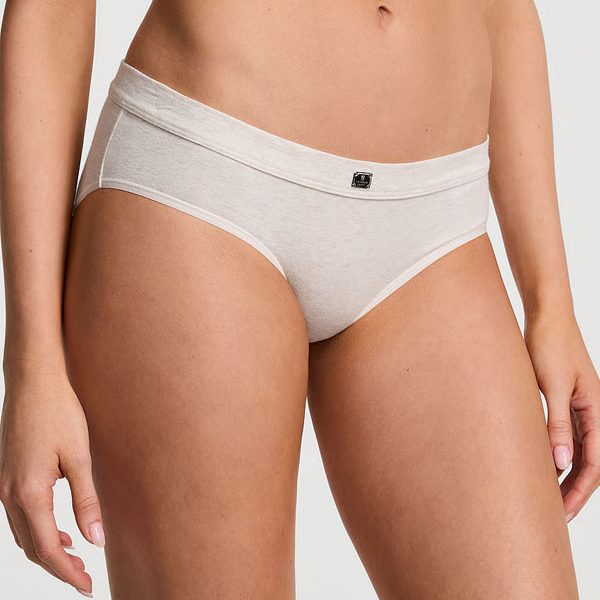
Fabric choice is one of the most consequential decisions in lingerie product development. The right fabric determines comfort, durability, fit retention, and manufacturing cost. The wrong one produces returns, complaints, and production problems that are expensive to fix after bulk orders are placed. This guide covers the four primary fabric categories used in lingerie — nylon, spandex, cotton, and lace — with practical guidance on when to use each and what to specify when sourcing.
Nylon: The Workhorse of Modern Lingerie
Nylon (polyamide) is the dominant base fabric in contemporary lingerie. It is lightweight, strong, smooth against the skin, and holds dye well, which is why it appears in everything from everyday bras to high-end shapewear.
| Property | Performance |
|---|---|
| Weight range | 80 – 220 GSM depending on construction |
| Typical blend | 80–92% nylon / 8–20% spandex (elastane) |
| Stretch | Four-way (with spandex content) |
| Moisture management | Moderate — wicks better than cotton but less than technical performance fabrics |
| Durability | High — resists pilling, maintains shape through repeated washing |
| Cost | Medium — higher than polyester, lower than specialty performance fabrics |
When to use nylon
Nylon is the right choice for the main body of most bras, brief underwear, thongs, and shapewear. Its strength-to-weight ratio makes it ideal for structured garments that need to maintain their shape across hundreds of wash cycles. If your customer is buying lingerie for everyday use or athletic purposes, nylon is almost always the correct base fabric.
What to specify
When ordering nylon-based fabric for lingerie, specify fiber content percentage, GSM, finish (matte or shiny), and four-way stretch. For bra cups and structured garments, also specify whether the fabric needs to be suitable for molding. Not all nylon blends are compatible with heat-molding processes used to create seamless cup shapes.
Spandex (Elastane): The Stretch Enabler
Spandex — sold under the brand name Lycra and generically referred to as elastane — is almost never used alone in lingerie. It appears as a blend component (typically 8 to 20%) in combination with nylon, polyester, or cotton to add stretch and recovery. The spandex content is what allows a garment to stretch, conform to the body, and return to its original shape after wearing.
Higher spandex content produces more stretch and firmer compression — which is why shapewear uses 20–30% spandex blends, while lightweight everyday bras use 8–12%. The relationship between spandex content and garment behavior is not linear: doubling the spandex content more than doubles the compression and recovery force.
Key considerations for spandex blends
- Higher spandex = higher cost. Spandex is the most expensive fiber in the blend. A 20% spandex fabric costs noticeably more per meter than an 8% spandex fabric at the same GSM.
- Chlorine resistance matters for swimwear crossovers. Standard spandex degrades in chlorinated water. If your lingerie will also be marketed for swimming, specify chlorine-resistant spandex (XTRA LIFE Lycra or equivalent).
- Recovery rate varies by spandex grade. Budget spandex loses recovery faster than premium grades. This affects how long a garment maintains its shape after repeated wearing and washing.
Cotton: Comfort and Positioning
Cotton is the traditional lingerie fabric and remains dominant in the everyday underwear and basics category. It is breathable, hypoallergenic, and familiar to consumers — which makes it a positioning asset as much as a technical choice.
| Property | Performance |
|---|---|
| Breathability | Excellent — superior to nylon and polyester |
| Moisture absorption | High — absorbs moisture but dries slowly |
| Skin sensitivity | Low irritation — suitable for sensitive skin claims |
| Stretch (without spandex) | Minimal — requires spandex blend for fitted silhouettes |
| Durability | Good — but prone to pilling and shrinkage if not pre-shrunk |
| Dyeing | Accepts reactive and vat dyes; requires different dye process than nylon |
Cotton blend types in lingerie
- 100% cotton: Used in the gusset liner of most briefs and thongs regardless of the outer shell fabric. Rarely used for the full garment in fitted styles due to limited stretch.
- Cotton / spandex (typically 90–95% / 5–10%): The standard blend for cotton briefs, boy shorts, and bralettes. Provides enough stretch for a fitted silhouette while retaining cotton’s breathability.
- Modal and MicroModal: Technically not cotton, but often grouped with natural-fiber fabrics. Derived from beech wood pulp, modal is softer and more resistant to pilling than standard cotton, with better moisture-wicking properties. It commands a price premium and is used in premium basics positioning.
When cotton is and is not the right choice
Cotton works well for: everyday briefs, boy shorts, bralettes, sleep and lounge pieces, and any product where breathability and natural fiber claims are part of the brand positioning.
Cotton is the wrong choice for: structured bras (poor shape retention without significant construction support), activewear-adjacent styles (slow drying is a problem), and any garment where a smooth, invisible look under clothing is required (cotton shows texture through thin outer layers).
Lace: Decoration, Structure, and Consumer Perception
Lace in lingerie serves two distinct functions: decorative trim and structural fabric. Understanding which function you need determines the type of lace to specify and how it is incorporated into construction.
Lace as trim
Trim lace is applied to the edges of garments — along the top of a bra cup, the waistband of a brief, or the hem of a chemise. It is typically 1 to 5 cm wide and adds visual interest without affecting the structural performance of the garment. Trim lace is the easiest and least expensive way to introduce a lace aesthetic. Specify width, fiber content (most lingerie lace is nylon or polyester), and whether you require a specific pattern repeat or scale.
Lace as fabric
Structural lace is used as the main fabric for cups, body panels, or full garments. This is more technically demanding because lace must stretch predictably, recover consistently, and hold its structure through production and wear. Key specifications for structural lace:
- Stretch direction: Vertical stretch only, horizontal only, or both. Bra cups typically require stretch in the horizontal direction to accommodate different bust sizes.
- Pattern scale: Larger patterns require more careful placement in cutting to avoid mismatched seams. This increases fabric waste and cost.
- Fiber content: Nylon lace is softer and more durable than polyester lace. Polyester lace is less expensive but can feel scratchy against the skin.
- Scalloped edge: Lace with a finished scalloped edge on one or both sides can be used without additional finishing at hems, reducing construction cost.
Lace sourcing and MOQ considerations
Lace is typically sourced from specialist lace mills, separate from the factory that produces the garment. Lace mills have their own MOQs — often 100 to 500 meters per color per pattern. Choosing a lace pattern that is already in the factory’s stock (or their lace supplier’s stock) eliminates this MOQ and significantly reduces lead time. Custom lace patterns require much longer development timelines and higher minimum commitments.
Fabric Comparison at a Glance
| Fabric | Best For | Avoid For | Price Range |
|---|---|---|---|
| Nylon / spandex | Bras, shapewear, seamless styles, athletic | Natural fiber positioning | Medium |
| Cotton / spandex | Everyday briefs, bralettes, basics, lounge | Structured bras, smooth silhouettes | Low – Medium |
| Modal / spandex | Premium basics, sensitive skin | Budget positioning | Medium – High |
| Lace (trim) | Decorative edges, brand differentiation | Primary structural fabric | Low – Medium |
| Lace (structural) | Cups, body panels, full lace garments | Budget basics | Medium – High |
How TELIGE Helps With Fabric Selection
When you provide a design brief or tech pack, our team reviews your fabric specifications and flags any issues before sampling begins. If you are unsure which fabric is right for your product, we can send fabric swatches for hand-feel evaluation and provide cost estimates for different fabric options at your target GSM and fiber content.
For buyers developing new styles, we recommend confirming fabric selection before finalizing construction details — fabric properties affect how a garment is cut and sewn, and changing fabric after sample approval often requires re-sampling.
To discuss fabric options for your lingerie project, contact TELIGE or review our product range to see the fabric types we regularly work with.
Related guides
Looking for a Reliable Manufacturing Partner?
Get a free quote for your next intimate apparel order. Our team is ready to help.
Get a Quote